The 1990s were a decade defined by cultural revolutions, new music genres, and bold experimentation in fashion. While grunge, hip-hop, and minimalism all left their marks on style, one movement stood out for its sheer vibrancy and underground roots—rave fashion.
Nineties rave fashion was not simply about clothes. It was about community, music, and expression. Emerging alongside electronic dance music (EDM), rave culture built a world where individuality reigned supreme and self-expression was celebrated. Outfits were loud, unconventional, and sometimes downright wild, but they carried deep meaning for those who wore them.
This article explores rave fashion in the 1990s in detail—its origins, signature looks, influences, accessories, cultural impact, and why its spirit still resonates today.
Contents
- 1 The Birth of Rave Fashion in the 1990s
- 2 Defining Features of Nineties Rave Fashion
- 3 Accessories That Defined the Scene
- 4 Influence of Music on Rave Fashion
- 5 Gender Neutrality in Rave Fashion
- 6 Regional Variations in Rave Fashion
- 7 The Role of PLUR in Fashion
- 8 Rave Fashion Icons and Mainstream Influence
- 9 Fabrics and Textures of the Nineties Rave Scene
- 10 Evolution of Rave Fashion
- 11 Why Nineties Rave Fashion Still Matters?
- 12 How to Recreate Nineties Rave Fashion Today?
- 13 Final Thoughts
- 14 FAQ on Nineties Rave Fashion
The Birth of Rave Fashion in the 1990s
Underground Music and Subcultures
The late 1980s saw the emergence of rave culture, which was inspired by the acid house movement in the UK and underground house events in Chicago. By the early 1990s, electronic dance music (techno, trance, jungle, house, drum & bass) exploded in popularity. The music demanded new forms of expression, and fashion quickly became part of the identity.
Escape from Mainstream Norms
The popular 90s fashion scene was dominated by preppy, grunge, and minimalist looks. Ravers rebelled against these norms by creating loud, colorful, and unconventional looks. Their clothing symbolized escape—away from the seriousness of everyday life into a playful, free-spirited world.
Defining Features of Nineties Rave Fashion
1. Baggy Clothing and Wide-Leg Jeans
If one piece defines rave fashion, it’s oversized pants. Brands like JNCO created jeans with extremely wide legs, sometimes so big they covered entire shoes. Baggy pants weren’t just a trend—they were practical for all-night dancing.
2. Neon Colors and Glow-in-the-Dark Fabrics
Neon green, hot pink, electric blue, and fluorescent orange were everywhere. Paired with UV-reactive fabrics, they glowed under blacklights at clubs and warehouses, amplifying the energy of the rave.
3. Sportswear and Streetwear Fusion
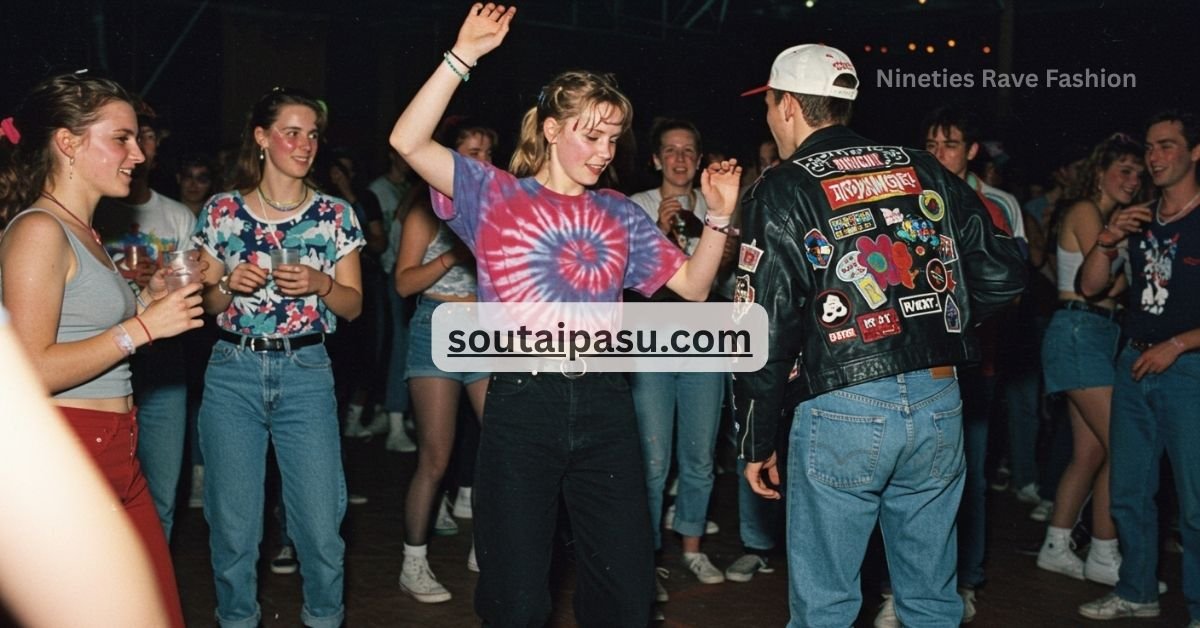
Ravers embraced sports bras, crop tops, tracksuits, and windbreakers. Adidas, Nike, Puma, and Fila became staples, blending comfort with a bold athletic edge.
4. Platform Shoes and Sneakers
Shoes had to withstand hours of dancing but still make a statement. Chunky platform sneakers, combat boots, and brightly colored trainers became rave essentials.
5. DIY and Custom Looks
Personalization was central. Ravers decorated jeans with graffiti, added glow-in-the-dark paint, or stitched on patches. Each outfit was a canvas of individuality.
Accessories That Defined the Scene
Kandi Bracelets
No accessory symbolized rave culture more than kandi—bright, beaded bracelets exchanged between ravers. They weren’t just jewelry but tokens of Peace, Love, Unity, and Respect (PLUR).
Glow Sticks and LED Toys
They twisted glow sticks into light shows, wore them as necklaces, or waved them. They turned dance floors into glowing seas of color.
Sunglasses and Goggles
Even in dark warehouses, ravers wore mirrored sunglasses, kaleidoscope lenses, or cyber goggles to enhance the futuristic vibe.
Headwear
Bucket hats, visors, baseball caps, and bandanas became standard. Many were decorated with neon prints or logos of favorite DJs.
Glitter, Face Paint, and Body Art
Face gems, neon body paint, and glitter covered ravers, creating a surreal, otherworldly look under the lights.
Influence of Music on Rave Fashion
The type of music often shaped the outfit:
- Techno & Trance: Futuristic styles using neon, cyber accessories, and metallic textiles.
- Jungle & Drum & Bass: Streetwear-inspired, with camo pants, hoodies, and sneakers.
- House Music: Glamorous and playful, with sequins, mesh tops, and flashy accessories.
Music wasn’t just background—it dictated the aesthetics, colors, and energy of the fashion.
Gender Neutrality in Rave Fashion
One of the most progressive aspects of rave culture was its gender inclusivity. Unlike mainstream 90s fashion, rave style didn’t strictly separate men’s and women’s clothing. Oversized pants, crop tops, kandi, and neon accessories were worn by everyone. This inclusivity created a safe, welcoming space that celebrated self-expression above all else.
Regional Variations in Rave Fashion
United States
Streetwear elements such as JNCO jeans, large hoodies, and sports brands were major influences on American rave fashion. The West Coast often embraced brighter neon and kandi culture, while East Coast scenes were grittier with more industrial vibes.
United Kingdom
In the UK, rave fashion developed from the acid house movement, with smiley face logos, bucket hats, and bright oversized t-shirts becoming iconic. Festivals and outdoor raves often added a practical twist, like waterproof jackets and wellies.
Europe
In Germany, the Berlin techno scene gave birth to darker, minimalist rave fashion with black clothing, leather, and industrial looks. In contrast, Ibiza’s rave culture leaned more toward flashy, beach-inspired rave outfits.
The Role of PLUR in Fashion
The PLUR philosophy—Peace, Love, Unity, Respect—was central to rave culture. Fashion reflected these values:
- Peace: Soothing, playful colors and friendly accessories like kandi.
- Love: Outfits designed for sharing joy, like glow sticks handed to strangers.
- Unity: Matching rave groups often coordinated neon outfits.
- Respect: Self-expression was embraced, no matter how wild.
Rave Fashion Icons and Mainstream Influence
Although rave culture began underground, it spilled into the mainstream by the mid-90s:
- The Prodigy: Their cyberpunk looks defined edgy rave style.
- Spice Girls: Pop culture was infused with rave energy through neon colors, platform sneakers, and colorful attire.
- Bjork: Known for eccentric, rave-inspired stage outfits.
Even brands like Diesel, Puma, and Adidas incorporated rave aesthetics into their collections.
Fabrics and Textures of the Nineties Rave Scene
- PVC and Vinyl: Shiny, futuristic fabrics for jackets and skirts.
- Mesh and Netting: Breathable tops that looked bold under neon.
- Velour and Fleece: Comfortable materials for oversized tracksuits.
- Reflective Materials: Jackets and pants that glowed under club lights.
The mix of comfort and creativity was crucial—outfits had to handle hours of nonstop dancing.
Evolution of Rave Fashion
Early 2000s
Rave fashion fused with clubwear—sleeker, metallic, and more cyber-inspired.
2010s Festival Boom
Neon, glitter, kandi, and platform sneakers were brought back to life by events like Coachella, EDC, and Tomorrowland.
Today’s Influence
Modern streetwear and festival looks borrow heavily from 90s rave culture—oversized pants, neon colors, and futuristic accessories remain popular.
Why Nineties Rave Fashion Still Matters?
- It broke barriers of gender and body image.
- It inspired mainstream fashion while staying true to its underground roots.
- It created a visual language for music culture that still exists at festivals today.
- It celebrated individuality and unity, values still relevant in 2025.
How to Recreate Nineties Rave Fashion Today?
- Find vintage JNCO jeans or wide-leg cargos.
- Pair with a neon crop top, sports bra, or oversized hoodie.
- Add platform sneakers or combat boots.
- Accessorize with kandi bracelets, glow sticks, and bucket hats.
- Finish with body glitter, funky goggles, or UV face paint.
Whether for festivals, themed parties, or street style, recreating rave fashion is about freedom and fun.
Final Thoughts
Nineties rave fashion wasn’t just a style—it was a cultural revolution. It represented joy, rebellion, inclusivity, and connection. From kandi bracelets to baggy jeans, it told the story of a generation that danced under neon lights and believed in community over conformity.
Today, its influence is stronger than ever, living on in festival fashion, streetwear, and even luxury brands. For those who lived it, rave fashion was unforgettable. For those discovering it now, it’s a timeless reminder that clothing can be more than fabric—it can be a movement.
FAQ on Nineties Rave Fashion
Q1: Why was rave fashion so colorful in the 90s?
Bright neon colors were chosen because they stood out under UV and blacklight at raves, enhancing the sensory experience.
Q2: What brands were popular in nineties rave fashion?
Brands like JNCO, Adidas, Puma, Nike, and Fila were commonly seen. Many ravers also embraced DIY fashion.
Q3: What is the meaning of kandi bracelets?
Kandi bracelets symbolized friendship and the PLUR philosophy. They were often traded during raves as tokens of unity.
Q4: Did rave fashion vary by country?
Yes. The U.S. leaned towards streetwear, the UK adopted smiley face acid house styles, and Germany favored darker industrial looks.
Q5: How is nineties rave fashion influencing trends today?
Modern festivals and streetwear brands still borrow neon, oversized clothing, glitter, and platform shoes directly from 90s rave culture.